
TikTok Shadow Ban in 2026: Myth, Reality, or Algorithmic Wake-Up Call?
All you need to know about how shadow bans work in 2026, how to check them, and how to fix your reach.
AI notice: This feature uses AI technology to process your video files.
Updated 11.05.2026
A TikTok shadow ban involves an automated reduction in a creator's reach, for which there is no official explanation. You may be experiencing one if you suddenly notice a drop in views, zero impressions on your hashtags, or your content no longer appearing in recommendations. This guide explains the causes of a shadow ban on TikTok, how to confirm whether you have one, and the fastest way to recover from it.
What Is a TikTok Shadow Ban?
A TikTok shadow ban is an unofficial restriction of a content reach that occurs without any notification or warning from the platform. Creators affected by this ban can still post content as usual, but their videos receive far fewer views and do not appear on the For You Page (FYP). They also show little to no hashtag reach.
TikTok does not officially acknowledge “shadow banning”. The platform describes this kind of behavior as “content distribution prioritization”, a trust-based algorithmic system that suppresses content it deems to be risky, low-quality, or in breach of its policies.
Does TikTok Shadow Banning Actually Exist in 2026?
In practice: yes. Officially: no.
TikTok says it doesn't "shadow ban" users. It limits the reach of content it thinks might break the rules, reduce user satisfaction, or come from accounts it doesn't fully trust. When this happens without warning, creators naturally think they've been shadowbanned on TikTok.
In 2026, TikTok has made this process fully automatic. The main points on which the algorithm always evaluates videos are based on watch time, engagement, originality, and adherence to guidelines. If your content or behavior isn't entirely clear, you might still be able to publish your videos, but they probably won't get much attention. This silent suppression is what most people mean when they talk about a TikTok shadow ban.
TikTok's algorithm is now powered by far more advanced AI moderation, trust scoring, and content eligibility systems. TikTok often reduces the distribution of content that it detects as risky, rather than banning accounts. To creators, the effect looks exactly like a shadow ban (even if TikTok won't admit it).
What Are the Signs of a TikTok Shadow Ban?
You may have been shadow-banned on TikTok if you have noticed any of the following situations:
- a sudden, significant drop in views across multiple recent posts
- hashtags showing zero or near-zero reach in your analytics
- content not appearing on the For You Page, even to a small test audience
- a sharp decline in new followers or comments
- video performance declining despite no change in content quality
Why TikTok Avoids the Term “Shadow Ban”
TikTok avoids the phrase because it suggests punishment, bias, or intentional silencing. Instead, the platform frames everything as content prioritization. The platform's algorithm is just picking what it thinks you'll like the most. If your video isn't showing, TikTok will say it's a performance issue, not a penalty.
That's why using a TikTok shadow ban checker and remover can be misleading. TikTok doesn't publicly share shadow ban data, so there's no tool that can definitively tell you what's going on. So, the issue with shadow banning in 2026 isn't that it's a punishment in itself. It's more a case of temporarily losing algorithmic trust.
What Causes a TikTok Shadow Ban?
Shadow bans are typically triggered by patterns of behavior, not single violations.
1. Community Guideline Gray Areas
Content that skirts TikTok's policies without clearly violating them is frequently suppressed rather than removed:
- Mildly suggestive or sexualized content
- Depiction of violence or dangerous behavior
- False health or financial claims
- Sensitive or controversial political topics
2. Spam-Like or Low-Trust Behavior
TikTok's algorithms usually monitor content for patterns that resemble inauthentic activity:
- Posting the same video repeatedly
- Reusing identical captions and hashtags
- Mass deleting and re-uploading content
- Aggressive follow/unfollow cycles
- Comment spam or use of engagement pods
3. Copyright and AI-Generated Content
TikTok's content detection systems are getting increasingly more picky and may also analyze the metadata:
- Reposted or slightly edited viral clips
- AI-generated voices, avatars, or scenes without disclosure
- Stolen content with minor modifications
What AI Tools Can I Use and Avoid Shadow Ban?
TikTok primarily targets content that is entirely generated by AI (such as synthetic images, AI-generated voiceovers, and AI avatars). However, editing tools powered by AI that use original human footage, like AI clip editors that transform long-form videos into short-form highlights, are regarded differently and typically do not activate AI-related alerts.
AI Video Cut works in a totally different way, and this is important if you don't want to get a TikTok shadow ban.
AI Video Cut doesn't actually generate content. Instead, it looks at existing long-form footage (like podcasts, interviews, webinars, or livestream recordings) and cuts the most engaging, high-retention moments into short-form clips. The original video remains fully human-created; the AI simply assists with editing decisions. Because the footage is original and not produced by a computer, these clips aren't classified as AI-generated content. So, as long as you use them right, they won't trigger AI-related shadow bans, content ineligibility, or distribution suppression. It is also a great way to maintain consistent posting without spending hours editing.
How Long Does a TikTok Shadow Ban Last?
Most creators get an account recovery within 7 to 14 days once the triggering behavior stops. Permanent shadow bans are uncommon. TikTok typically either lifts suppression as trust rebuilds or issues a formal account ban for severe repeat violations.
How to Avoid a TikTok Shadow Ban?
The best way to avoid a shadow ban is pretty simple: just show up regularly and actually say something worth watching. TikTok tends to reward creators who bring something genuine to the feed, not those who copy whatever format is trending or stuff their captions with bait. If you try to grow too quickly with ideas that you've already used, you might get a quick rise, but it's not likely to last.
The TikTok Community Guidelines are updated more often than people realize, so it's worth checking in on them every now and then rather than assuming the rules are the same as they were six months ago. Beyond that, be upfront about the stuff audiences increasingly expect transparency on — whether that's AI-generated content (TikTok has a checkbox for this right before you publish), affiliate links, or paid partnerships. That kind of honesty isn't just good ethics; it's actually what helps you build the kind of trust that algorithms respond to over time.
Can New TikTok Accounts Be Shadow Banned?
No, not exactly. However, new accounts experience something that looks identical. Lots of new creators think they're shadowbanned, but they're actually still in the testing phase.
When you're just starting out, TikTok watches you first. New accounts go through a trust and behavior evaluation period. This is how it happens: content is shown to a small group of people, and the platform pays close attention to how those early viewers respond. What matters is if they are watching all the way through and actually engage with the content, or just scroll past it. Those first signals are really important, more than most new creators realize.
Nonstop posting and following hundreds of accounts in a day might look a bit fishy, and you might even get a restriction notice. The result is that your content barely reaches anyone, sometimes without you even knowing why.
This is normal algorithmic testing, not a shadow ban. It resolves the same way: create quality content consistently and let trust accumulate.
Can You Get Shadowbanned on TikTok LIVE?
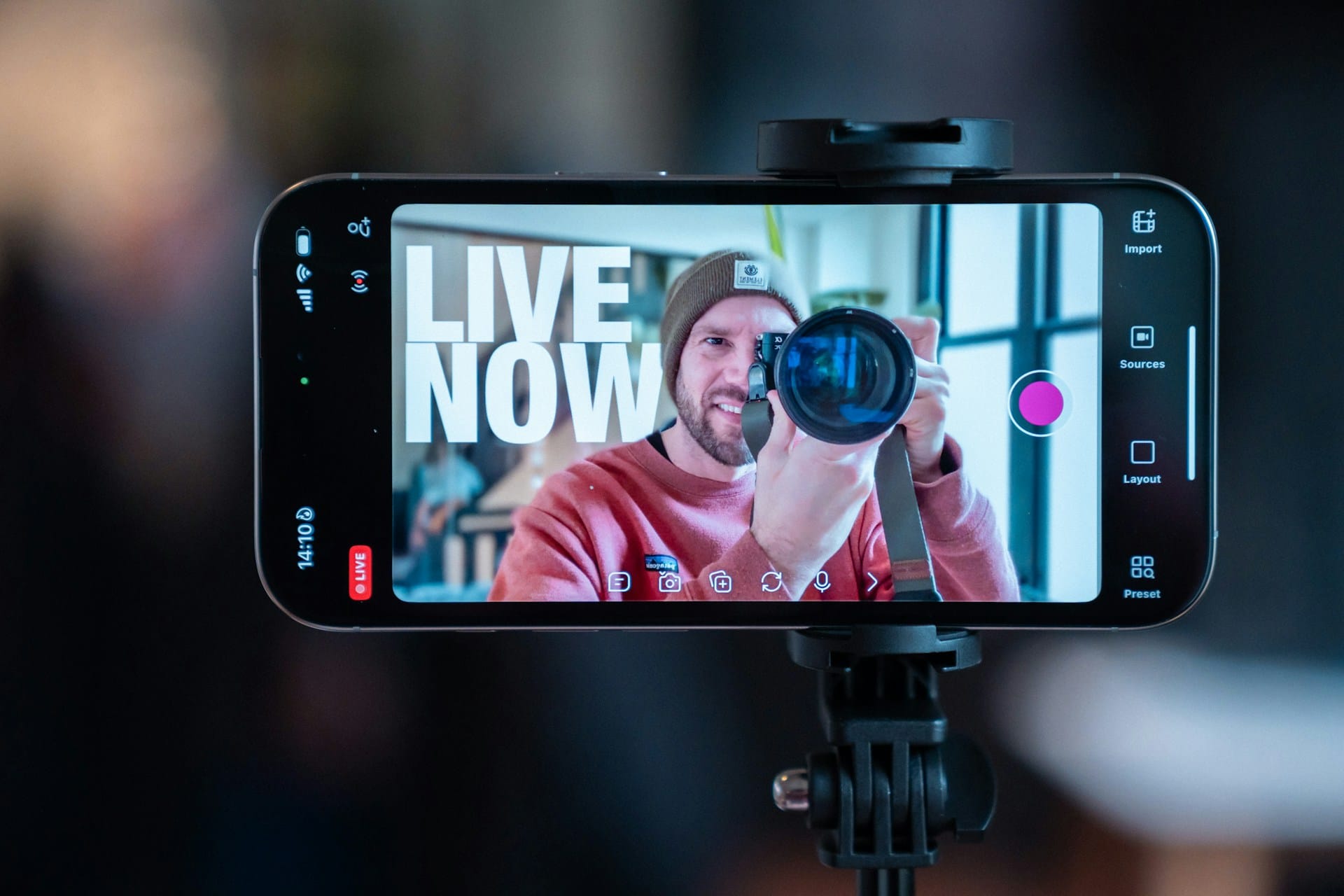
Yeah, and it actually happens quite a lot more often than a lot of creators realize. TikTok LIVE has its own moderation system, and if you break the rules during a livestream, you might find that your LIVE distribution is reduced without warning. Using restricted words, playing copyrighted music, or receiving multiple reports can lead to LIVE visibility suppression. In these cases, your lives may technically be active but shown to far fewer users.
How to Fix a TikTok Shadow Ban?
Follow these steps to recover from a TikTok shadow ban:
- Pause posting for 3–5 days to let the algorithm re-evaluate your account.
- Remove or privatize any content that may have triggered the suppression.
- Review TikTok's Community Guidelines regularly and ensure your recent content complies with them.
- Return with safe, high-retention content and try to avoid borderline topics during recovery.
- Engage naturally on the platform without spamming comments, follows, or DMs.
- Be patient, as algorithmic trust typically rebuilds within 7–14 days.
TikTok's system is continuously re-evaluating accounts regularly, so when your behavior improves, reach usually follows.
Frequently Asked Questions
Is shadow-banning the same as a TikTok account ban?
No. A shadow ban silently reduces reach while leaving the account active. An account ban prevents posting entirely and is usually communicated directly.
Will deleting and reposting a video fix a shadow ban?
No. Repeatedly deleting and re-uploading content itself triggers a shadow ban. Avoid this tactic.
Does using certain words cause a shadow ban?
Not really. Of course, certain keywords related to violence, drugs, or sensitive topics can reduce video distribution. TikTok's filters can scan captions and spoken audio. However, word-level shadow banning is rarely the sole cause. It typically compounds existing trust issues.
Is there a TikTok shadow ban checker that actually works?
No. No third-party tool has access to TikTok's internal distribution data. Manual observation of your analytics is the most reliable method.
Does posting more frequently help recovery?
No. Aggressive posting during a suppression period can extend it. A short pause in posting, followed by a return to compliant, high-quality content, is the recommended approach.
AI notice: This feature uses AI technology to process your video files.